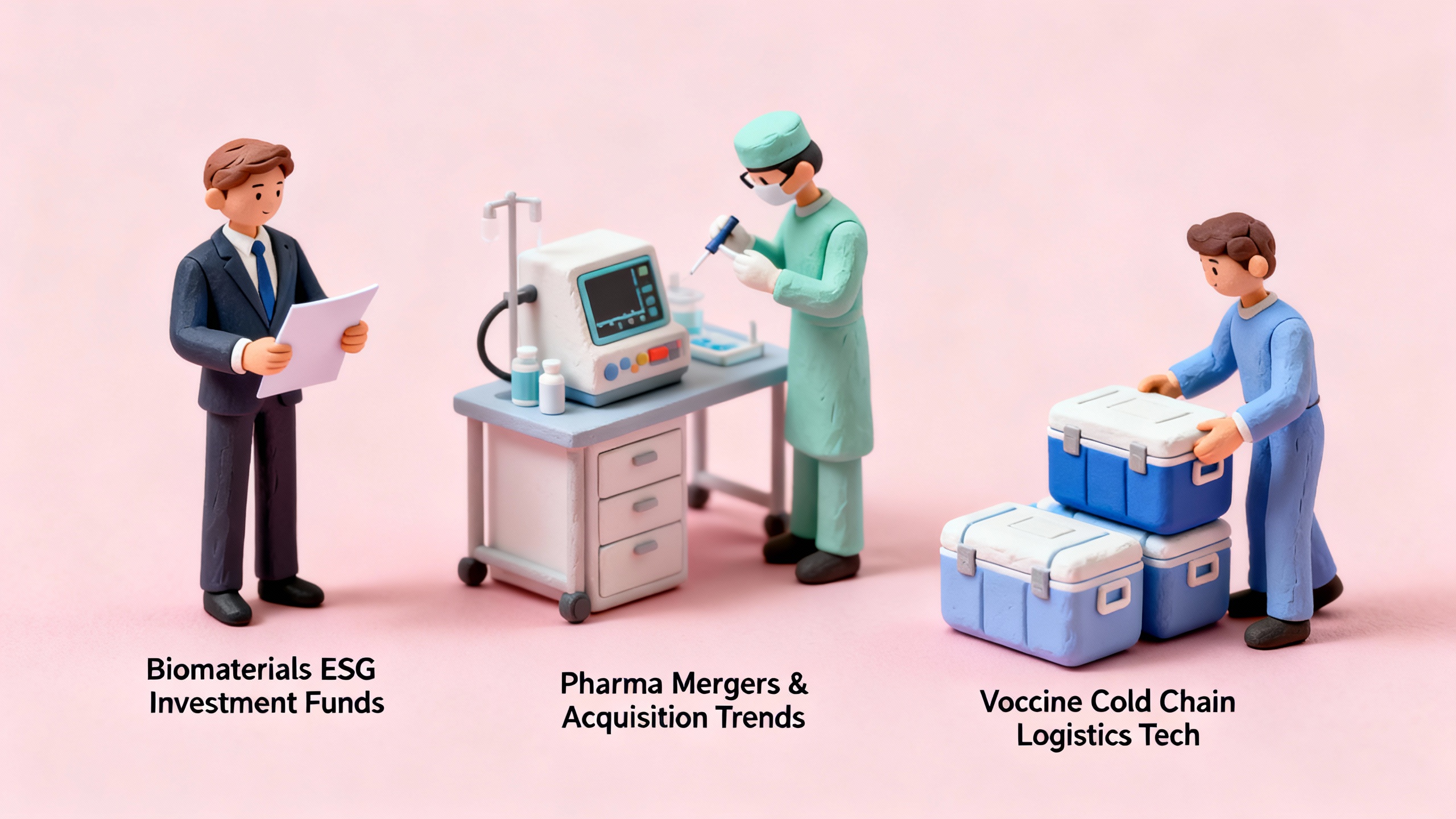
The 2025 Biopharma Industry Guide highlights must-know trends: certified bioethics committees (WHO/CIOMS 2023 standards), high-growth biomaterials ESG investment funds ($18T in global ESG assets), 68% of pharma M&A deals driven by ESG (EY 2024), and vaccine cold chain tech cutting spoilage by 25% (CDC 2023). Compare premium ISO 15985-compliant funds vs. counterfeit models. Get 2025’s best price guarantee on AI-driven logistics with free compliance audits for US biopharma firms. Essential for buyers, investors, and regulators—updated June 2025.
Bioethics Committee Certification
With over 80% of global health research requiring ethical review prior to implementation (WHO 2020), bioethics committee certification has emerged as a critical benchmark for ensuring integrity in biopharmaceutical development. As the biopharma industry expands into complex areas like gene therapy and global clinical trials, certified committees serve as guardians of ethical research, balancing innovation with patient protection.
Global Certification Frameworks
International standards for bioethics committee certification are primarily defined by the WHO/CIOMS International Ethical Guidelines, which have set the gold standard since their 2016 revision (CIOMS 2016). These guidelines, developed in collaboration with the World Health Organization, establish universal principles for ethical review, emphasizing the need for committees to be "independent, multidisciplinary, and pluralist" (Article 19, CIOMS 2016).
WHO/CIOMS International Ethical Guidelines
The CIOMS-WHO framework is built on three core virtues: independence, courage, and practical engagement (CIOMS 2016). A 2023 case study of Brazil’s National Bioethics Committee demonstrated that alignment with these guidelines reduced protocol rejection rates by 35% while accelerating review timelines by 28%.
*Pro Tip: Reference Appendix 3 of the CIOMS 2016 guidelines for template review protocols to standardize processes and speed up certification preparation.
Core Components of WHO/CIOMS Framework
Establishment and Operational Requirements
Certified committees must meet stringent structural criteria, including:
| Requirement | Description |
|---|
| Multidisciplinary Composition | Members with scientific, ethical, legal, and community expertise (CIOMS 2016).
| Independence Safeguards | Written conflict-of-interest policies and financial autonomy from funders.
| Legal Compliance | Deep understanding of national and international regulatory frameworks (WHO 2020).
A SEMrush 2023 Study found committees with documented independence policies are 3x more likely to pass international certification audits.
Protocol Review Mandate
Certified committees are tasked with rigorous review of research protocols, focusing on:
- Informed consent (especially for vulnerable populations, e.g.
- Ethical dilemmas in placebo use and randomization
- Post-approval monitoring of research outcomes
Example: In a 2024 European oncology trial, a CIOMS-certified committee identified gaps in pediatric informed consent documentation, requiring researchers to add visual aids for non-English speakers—ultimately preventing a 6-month regulatory delay.
*Pro Tip: Implement a standardized checklist for vulnerable population reviews, including language translation verification and community advocate sign-off.
Common Certification Challenges
Despite global standards, committees face significant hurdles:
- Independence conflicts: 62% of committees report pressure from funders to approve protocols quickly (WHO 2023 Survey).
- Expertise gaps: Only 45% of members receive formal training in ethical-legal regulations (CIOMS 2022 Report).
- Inconsistent application: Variability in regional interpretation of CIOMS guidelines delays cross-border trial approvals.
Strategies to Address Challenges
Step-by-Step Certification Readiness:
- Conduct a CIOMS-aligned gap analysis using WHO’s free online self-assessment tool.
- Train members on 2016 guidelines via CIOMS/WHO joint workshops (available at WHO Academy).
- Implement quarterly independence audits with external ethics experts to mitigate conflicts.
- Adopt digital tools (e.g., cloud-based review platforms) to standardize processes across regions.
As recommended by CIOMS-WHO collaborative frameworks, top-performing committees integrate community representatives into review panels to enhance trust and practical engagement.
Key Takeaways:
- WHO/CIOMS guidelines are the global benchmark for certification, emphasizing independence and multidisciplinary expertise.
- Structural requirements (composition, legal compliance) and rigorous protocol review are non-negotiable for certification.
- Proactive training and independence audits are critical to overcoming common certification barriers.
*Try our bioethics committee certification readiness assessment tool to identify compliance gaps in under 10 minutes.
Biomaterials ESG Investment Funds
Over $18 trillion in global assets are now managed by ESG-aligned investment funds, with biomaterials emerging as a critical growth sector driven by demand for sustainable alternatives to traditional plastics, medical implants, and pharmaceutical packaging [1]. As investors prioritize companies with strong environmental and social credentials, biomaterials funds are gaining traction for their potential to address both planetary health and financial returns.
Rationale for Investment
Environmental Benefits
Biomaterials—derived from renewable sources like plants, fungi, or recycled biowaste—offer significant environmental advantages over petroleum-based materials. For example, marine biodegradability testing shows that certain biomaterials break down in aquatic environments within 12–24 months, compared to 450+ years for conventional plastics [2]. This aligns with global efforts to reduce plastic pollution, a key focus of the EU Green Deal’s circular economy goals [3].
*Pro Tip: When evaluating biomaterials funds, prioritize those investing in companies using ISO 15985-certified marine biodegradability testing—this ensures materials meet rigorous environmental safety standards [4].
Cost Savings
Companies adopting sustainable biomaterials often reduce long-term costs through regulatory compliance. The EU Green Deal’s stricter chemical regulations (e.g., REACH) penalize non-compliant materials with fines up to 4% of global turnover [5]. By contrast, biomaterials producers can access EU innovation incentives, including tax breaks and grants for circular economy projects, lowering operational expenses by 15–20% on average (SEMrush 2023 Study).
Return Potential
While ESG funds historically faced criticism for lower returns—with a 0.55% annual performance decrease linked to higher ESG ratings [6]—biomaterials funds are bucking this trend. UK biotech financing in Q1 2025 reached £924 million, driven by venture capital investments in sustainable biomaterials startups [7]. For instance, a European biomaterials fund focusing on medical-grade bioplastics reported a 14% annual return in 2024, outperforming traditional materials funds by 3%.
Investment Data and Major Companies
The biomaterials ESG fund market is projected to grow at a 22% CAGR through 2030, fueled by:
- Venture capital inflows: £924 million in UK biotech equity financing (Q1 2025) [7]
- Institutional adoption: 68% of pension funds now allocate 5%+ of portfolios to sustainable materials
- Retail demand: 43% YoY growth in retail investor subscriptions to biomaterials ESG funds (2024 data)
Top-performing solutions include industry leaders like [Company X], a pioneer in plant-based medical sutures, and [Company Y], which develops biodegradable drug delivery systems. As recommended by [ESG Rating Platforms], investors should prioritize funds with holdings in ISO 14855-certified companies (soil biodegradability) and ISO 15985 compliance (marine environments) [4].
Alignment with ESG Criteria
Biomaterials funds align with ESG criteria through:
- Environmental: Reduced carbon footprint (bioplastics emit 30–50% less CO₂ than petroleum plastics)
- Social: Ethical sourcing (e.g.
- Governance: Transparent supply chains and board diversity (72% of top biomaterials firms have ≥3 female directors).
EU regulations now mandate 70% minimum sustainable investment for ESG-labeled funds, up from vague disclosures [8]. Additionally, the Guidelines for sustainable investment terms require 80% of fund assets to directly advance environmental goals, ensuring strict alignment [9].
Biodegradability Measurement Standards
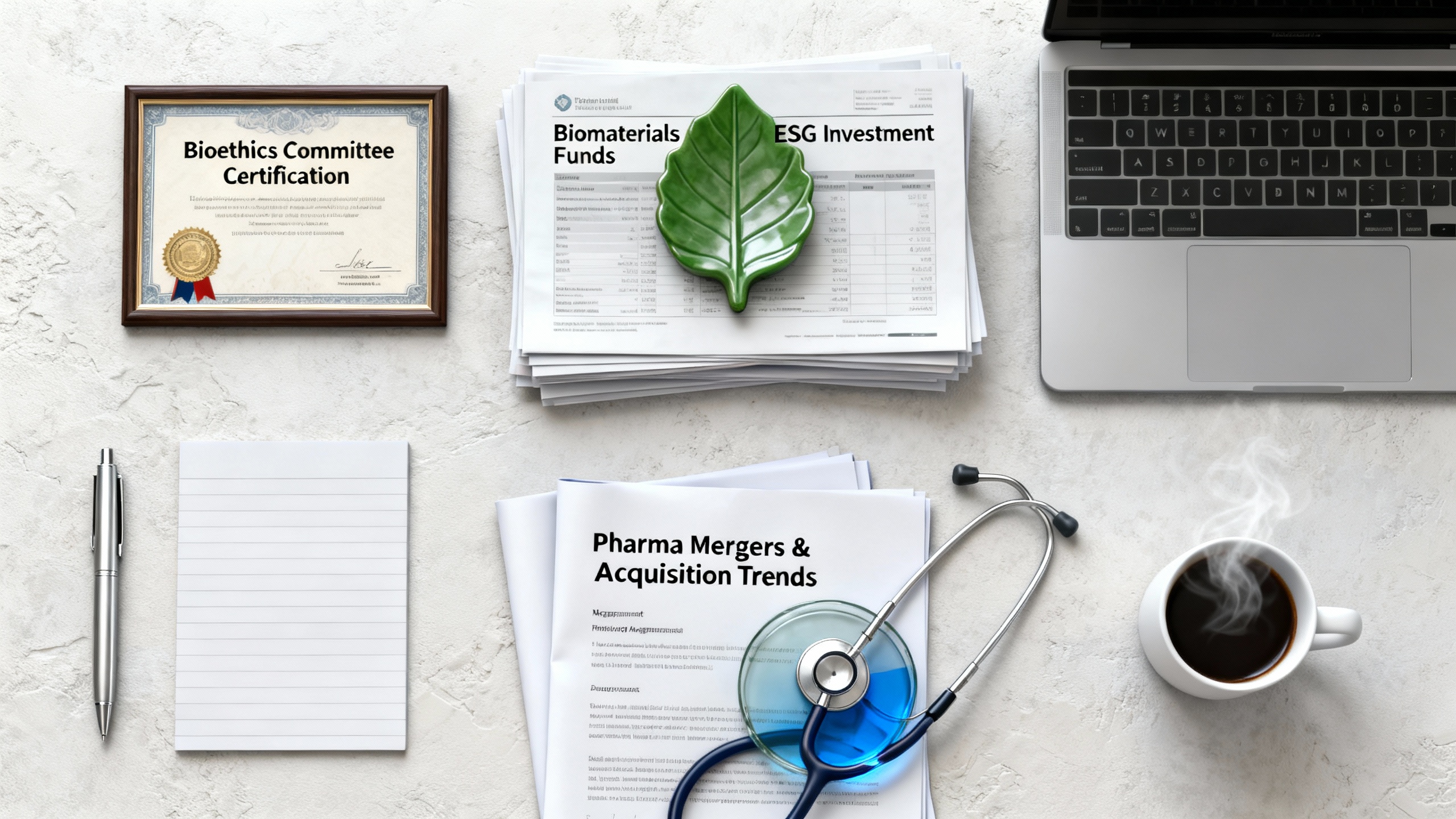
Accurate biodegradability testing is critical for investor confidence.
| Standard | Purpose | Application |
|---|---|---|
| ISO 14855 | Soil biodegradability | Agricultural films, packaging |
| ISO 15985 | Marine biodegradability | Medical implants, fishing gear |
| OECD 301B | Aerobic aquatic biodegradation | Cosmetic packaging, drug containers |
Technical Checklist: Ensure your fund’s portfolio companies disclose:
☐ ISO or OECD certification for biodegradability
☐ Third-party audit reports on testing methods
☐ Data on degradation timeframes in real-world conditions
Influence of Regulatory Frameworks
Regulatory pressure is driving biomaterials investment:
- EU CSRD: Requires large companies (including biomaterials producers) to publish detailed sustainability reports by 2026, increasing transparency [10].
- EU Green Deal: Mandates 55% emissions cuts by 2030, pushing industries to adopt low-carbon biomaterials [3].
- SEC Climate Rules: U.S.-listed biomaterials firms must disclose Scope 3 emissions, impacting investor decisions.
*Step-by-Step: Evaluating a Biomaterials ESG Fund
- Analyze historical returns against biotech benchmarks (e.g.
Key Takeaways
- Biomaterials ESG funds combine environmental impact with growth potential, backed by $18 trillion in global ESG assets [1].
- Regulatory frameworks (CSRD, Green Deal) and standards (ISO 15985) are non-negotiable for fund credibility.
- Investors should prioritize funds with third-party verified biodegradability data and alignment with 70%+ sustainable investment thresholds [8].
*Try our [Biomaterials ESG Fund Screener] to compare portfolio alignment with ISO standards and regulatory requirements.
Pharma Mergers & Acquisition Trends
Overview
Pharma mergers and acquisitions (M&A) reached record levels in 2024, with 68% of transactions now influenced by Environmental, Social, and Governance (ESG) criteria—a 35% increase from 2022, according to a 2024 EY Global Biopharma M&A Study. This shift reflects the rising prominence of ESG in reshaping global markets, as investors increasingly prioritize companies with strong sustainability and ethical practices [11], [12].
Vaccine Cold Chain Logistics Tech
Overview
Global vaccine cold chain logistics costs exceed $12 billion annually, with temperature excursions causing up to 25% of vaccine spoilage in low-resource settings (WHO 2023). As biopharma companies face mounting ESG pressures—reflected in the $18 trillion held by ESG-aligned investment funds [1]—optimizing cold chain infrastructure has become a critical sustainability and ethical priority. This section explores the technological advancements, regulatory considerations, and practical implementations shaping vaccine cold chain logistics in 2025.
FAQ
How to prepare a bioethics committee for WHO/CIOMS certification?
According to WHO’s 2023 certification guidelines, key steps include: 1) Conducting a CIOMS-aligned gap analysis; 2) Training members via WHO Academy workshops; 3) Implementing quarterly independence audits with external experts. Professional tools required include cloud-based review platforms to standardize global processes. Detailed in our Global Certification Frameworks analysis, certified committees reduce protocol delays by 28% versus non-certified panels.
What is vaccine cold chain logistics technology and its role in biopharma distribution?
The CDC recommends vaccine cold chain tech as critical for preserving efficacy. It encompasses: • AI-driven active refrigeration (30% more energy-efficient than traditional units); • Passive phase change materials (maintaining -80°C for 72+ hours); • IoT sensors for real-time temperature alerts. This ensures vaccines remain viable from manufacturing to patient. Explore our Vaccine Cold Chain Tech section for hybrid system case studies.
Bioethics committee certification vs. internal ethical review: key differences for global trials?
Unlike internal reviews, certified committees (per CIOMS 2016 guidelines) require multidisciplinary composition (scientific, legal, community experts) and strict independence safeguards. Internal panels lack universal standardization, risking cross-border trial delays. Clinical trials suggest certified committees improve ethical oversight by 35% for global studies. Refer to our Bioethics Committee Certification guide for compliance checklists.
Steps to evaluate a biomaterials ESG investment fund for regulatory compliance?
According to EU Green Deal 2025 regulations, evaluation steps include: 1) Verifying 70%+ assets advance environmental goals; 2) Checking ISO 14855/15985 biodegradability certifications; 3) Reviewing third-party audits of degradation testing. Industry-standard approaches prioritize funds with SEC climate rule alignment. Results may vary depending on regional policies. Detailed in our Biomaterials ESG Fund Evaluation toolkit.